News
APEC urges region's firms, governments to look beyond exporting
Published September 27, 2011, Telegraph-Journal
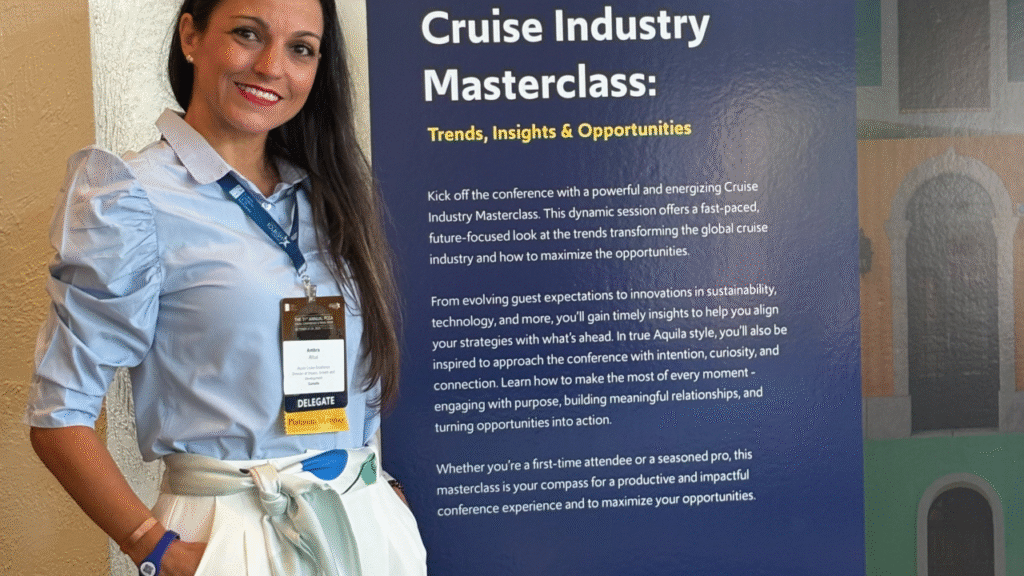
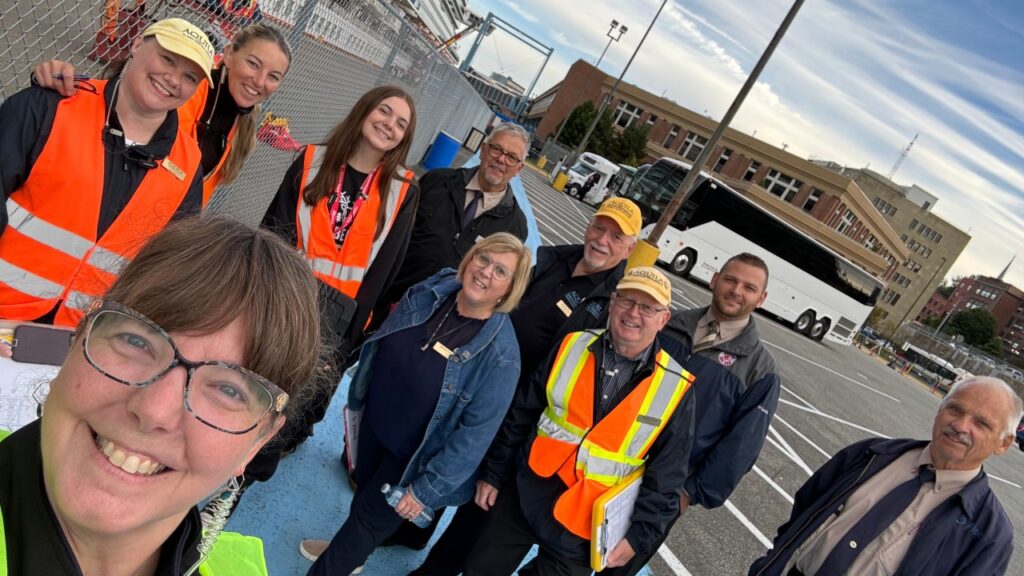
With eight cruise ships scheduled to call on Saint John this week, the president of Aquila Tours Inc. had her hands full on Monday morning making a bus plan for the tourists who will disembark.
The company is the primary tour operator for cruise ship passengers in Saint John, a distinction earned through decades of developing and establishing relationships with cruise lines to encourage them to use Aquila Tour's services. The company travels to trade shows and goes on sales missions in Florida and the Caribbean a few times each year to set up these partnerships.
"It's been a lot of one on one. It's been a lot of making sure you stay in touch. It's everything from making sure you're going down and meeting in person, making sure you're there when the large trade shows are there and, in between, staying in touch," said Beth Kelly Hatt, the president of Aquila Tours.
"We've been told in Saint John, over and over, that what we do here is the best of just about anywhere that cruising happens."
By developing and maintaining these ties with large firms in other countries such as Carnival Cruise Lines and Royal Caribbean International, Aquila Tours is an example of a company that has benefited from participating in a global value chain - where part of the production process for a good or service is located in a different country.
And thinking in terms of global value chains - instead of thinking of the global marketplace just in terms of exporting - can help Atlantic Canada's businesses boost productivity and competitiveness, according to two publications released Monday.
In the changing global marketplace, companies and governments should be thinking more broadly about how to participate in the global economy, according to the Atlantic Provinces Economic Council. On Monday, the think-tank released two new publications - a brochure for Atlantic Canadian companies about the importance of global value chains, and a longer review of the region's role.
"The concept is much broader, which involves not just being a supplier to another company, but you might also be having some of your production take place in other countries. You might be sourcing some of your inputs, you do some manufacturing here and then you're selling," said David Chaundy, the council's senior economist.
"When we look at the world today, that's what we see. We see these long chains of production processes. The world is changing. We're not trying to do everything in one location."
The benefits of participating in global value chains include increased revenue, enhanced reputation, better or cheaper inputs and improved competitiveness. The chains can be complex and involve multiple companies and links, or can be simpler, contained within a single company.
"It's not just about increasing exports. It's about imports and sourcing, it's about international partnerships, so we're trying to encourage governments, especially on the provincial side, to take a broader perspective about what makes firms competitive here," Chaundy said.
"Ultimately exports are important, but it's a bit more than that in today's global economy."
The council identified five key global strategies used by successful Atlantic companies: providing differentiated products and services, focusing on niche markets, continually improving and evolving, maintaining strict cost control and finding reliable partners and building trusting relationships.
Companies interested in learning more about global value chains can download the brochure and the report at http://www.apec-econ.ca/SucceedGlobally.asp